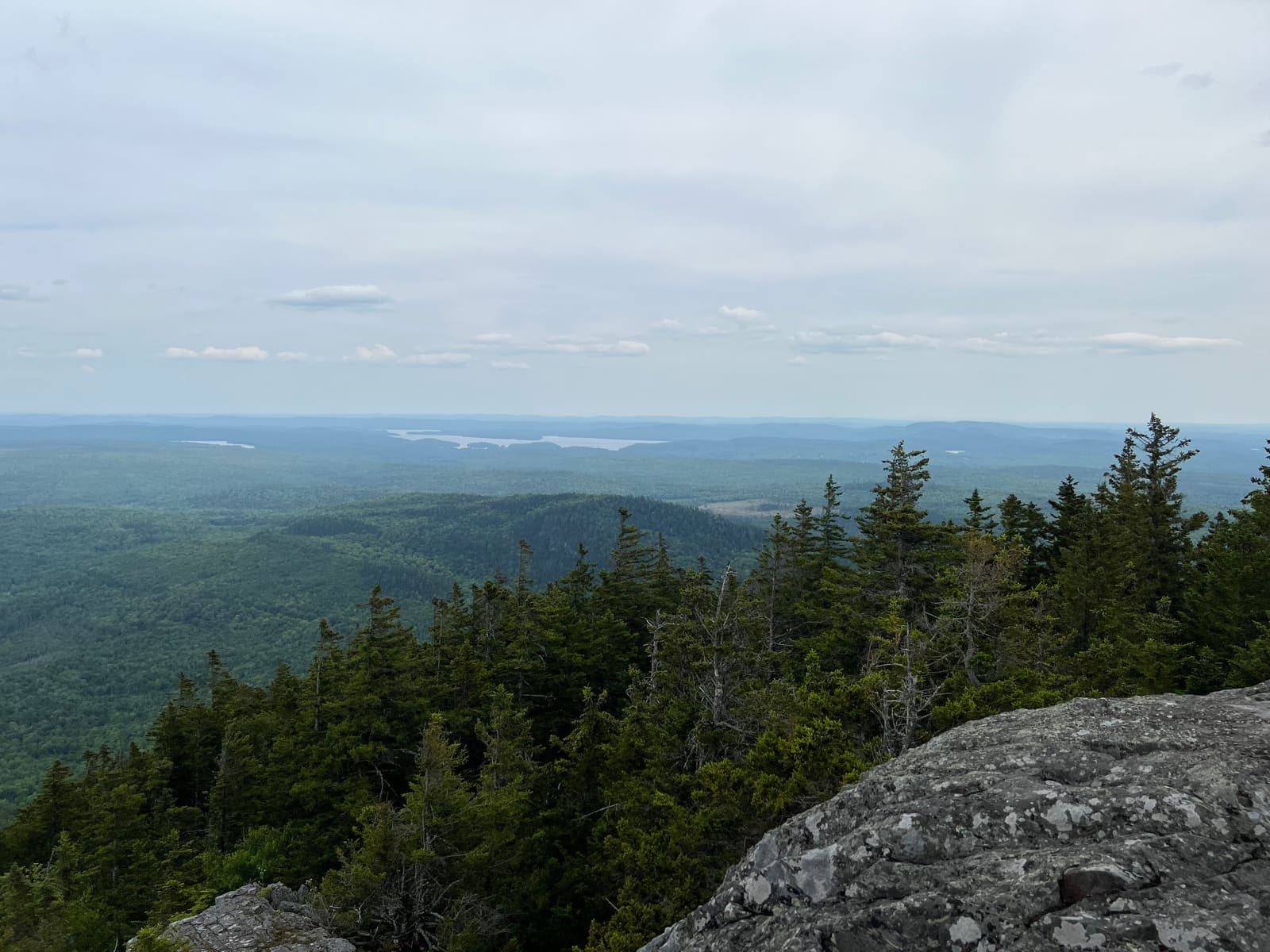
Families who inherit land can lease the hunting the way any other owner does, and across the South it is a common use of family forest land. On 27% of the South's family forest acres in holdings of 10 acres or more, 38.3 million acres, the owners have leased the land for hunting at some point, according to the Forest Service's 2018 National Woodland Owner Survey. Much of the South's family forest came down through families: in the same survey, the owners of half of it, 72.3 million acres, had inherited some or all of their land. For farmland, in USDA's 2024 Tenure, Ownership, and Transition of Agricultural Land (TOTAL) survey, 29% of owned U.S. farmland acres had been inherited and another 7% had come through a trust.
Inherited land differs at the start. When several relatives own it together, families commonly have every owner agree to the lease in writing and pick one person to speak for the land. After that it works as it does for any owner who leases with us: the family sets the price and the rules, every hunter signs those rules before getting access, and the lease can bring in money on ground that costs the family taxes and upkeep. This guide describes what is common. It is not legal or tax advice, and the rules on co-owned land differ from state to state.
Inherited land and wondering what the hunting could bring? Get a free estimate of what it could earn, book a call with us, or call (804) 424-5233.
How much land passes to heirs
A small share of U.S. farmland is slated for sale. NASS reported in March 2026, from its 2024 TOTAL survey, that about 43 million acres, roughly 5% of the nation's nearly 900 million farmland acres, are slated to be sold or given away in the next five years, and 23 million acres of that to be sold to a non-relative. Far more is in, or will go into, a will or a trust. The 2024 TOTAL survey counts owners' plans for the next five years this way:
| Owned U.S. farmland, plans for the next five years (2024) |
Acres |
| Is or will be written into a will |
135.2 million |
| Is or will be placed in a trust |
91.5 million |
| To be sold to a non-relative |
22.8 million |
| To be sold to a relative |
12.8 million |
| To be given away or donated |
7.4 million |
Among landlords who rent land out but do not farm it, the inherited share is higher: 40% of the acres they rent out came to them by inheritance, 11% through a trust and 3% as a gift, the 2024 survey found. Their average age is 69.2, and nearly 52% of them have never farmed.
How much family forest has been leased for hunting
For family forest, the 2018 National Woodland Owner Survey also shows how much has been leased for hunting. Its summary tables split out the South, 13 states from Virginia and Kentucky to Texas and Florida, where 140.5 million acres of family forest sit in holdings of 10 acres or more.
| Share of family forest acres (holdings of 10+ acres, 2018) where... |
South |
United States |
| The owners inherited some or all of it |
51% |
43% |
| The owners have ever leased it for hunting |
27% |
18% |
| The owners call hunting an important reason to own it |
61% |
59% |
| The owners call passing it to heirs an important reason to own it |
74% |
70% |
| The owner's home is more than a mile from the land |
52% |
48% |
Source: USDA Forest Service, National Woodland Owner Survey, 2018, summary tables for the South and the nation.
Most of the family forest leased for hunting is in the South: of the 46.4 million family forest acres in the United States whose owners have ever leased them for hunting, 38.3 million are in the South, by the same survey. Much of the South's family forest is held by older owners: in the 2018 survey, owners 75 or older held a quarter of its acres and owners 65 to 74 another third, and owners of 72% of its acres named their children among those likely to receive it. The Forest Service reads the national age figures as a sign that "a relatively large proportion of the family forest will transfer hands in the not too distant future".
How heirs hold the land, and who speaks for it
Who can answer for the land depends on how the family holds it. In the 2018 survey, the South's family forest acres were held like this:
| How the land is held (South, 2018) |
Share of acres |
Who usually speaks for the land |
| An individual |
27% |
That person |
| A married couple |
30% |
The couple |
| Joint owners other than a spouse, such as other family members or friends |
13% |
The co-owners together, often through one contact they choose |
| A family LLC or partnership |
19% |
The person the company's papers name, such as a manager |
| A family trust or an estate |
9% |
The trustee, or the executor or administrator while the estate is being settled |
The last 1% is held in other ways, and a quarter of these acres have three or more owners, the same tables show. While an estate is still being settled, families commonly ask the attorney handling it whether the hunting can be leased before it closes. One extension guide on hunting leases says leases should "clearly identify the parties in the lease agreement." For a family, that means knowing who is on the family's side of the lease.
When there is no will: heirs' property
When land passes down without a will or clear paperwork, it often becomes what USDA calls heirs' property: "family-owned land that is jointly owned by descendants of a deceased person whose estate did not clear probate." Each generation generally adds more heirs. The heirs "do not own a specific portion or acreage", as the Farm Service Agency's director of outreach explained in 2021, and because they "need to agree on land-use decisions," managing the land can be hard.
Researchers writing in a 2019 Forest Service report conservatively estimated more than 1.6 million acres of heirs' property in the 365 counties of the South where African Americans made up a quarter or more of the population in 2010. A 2009 study cited in the same report found nearly 16,000 acres of it in Macon County, Alabama, about 4% of the county. In ten Georgia counties, a study of tax-appraisal records published in that 2019 report flagged 11% to 25% of each county's parcels as potential heirs' property, 72,583 acres in all.
A hunting lease is a land-use decision, so on heirs' property it starts as a conversation among the heirs. Who can sign for heirs' property is a question families commonly take to an attorney. The 2018 Farm Bill also authorized USDA's Heirs' Property Relending Program, which provides loan funds to eligible lenders, who lend to qualified individuals to resolve ownership and succession on farmland with multiple owners.
How families agree on one voice
Families who lease inherited ground tend to settle these points first, before a hunter is involved.
- On half the South's family forest acres, the owner's home is more than a mile from the land, the 2018 survey found. Families commonly choose one contact: the heir who lives nearest, or the one most likely to answer the phone in the middle of deer season. That person takes the calls about the lease and gives the yes or no on each booking. The contact speaks for the family but does not replace the other owners.
- Families leasing shared ground commonly have every owner who holds a share agree to the lease in writing before anything is listed, including the owners who leave the phone calls to one sibling. What the writing needs to say depends on the state and on how the land is held, which is a question families commonly take to an attorney.
- Families commonly decide before the first payment whether lease income is split among the owners or kept back for property taxes and upkeep. How it is reported at tax time is a question families commonly take to their accountant.
- Owners of 61% of the South's family forest acres call hunting an important reason to own their land, the 2018 survey found. If anyone in the family still hunts the place, what they keep, whether a weekend, a stand or opening week, is the family's decision, and it goes into the rules every hunter signs before getting access.
- The old house, a family cemetery, timber somebody plans to sell and cattle on the back pasture each become a rule. Our guide to hunting lease rules landowners commonly put in writing covers the usual list.
None of this has to be finished before you call. On the phone we talk through the rules and what moves the price, and the family sets both. Book a call with whoever speaks for the land on the line, or call (804) 424-5233.
What the hunting could bring
For a starting point, our free estimate works from acreage alone and shows a broad range, set from asking prices on public lease listings we read in October 2026. A 120-acre tract, for example, falls in the 100 to 249 acre band, where the range is roughly $10 to $40 an acre a year, or roughly $1,000 to $5,000 a year for the whole tract. It is an estimate: game, access, habitat and the county all move the real number, and the price is always the family's to set.
For what listed leases ask by tract size and by state, see our Hunting Lease Price Index, built from 317 priced asks among 4,058 listings read October 3, 2026. Much listed ground is already leased: on the one marketplace we read that keeps leased tracts visible, 790 of its 907 listings (87%) were marked leased on October 6, 2026. How Much to Charge for a Hunting Lease covers what moves the number.
See the range for your acreage in about a minute. Run the free estimate, then call (804) 424-5233 to talk through the number.
How leasing works with us when the family lives far apart
Picture three siblings who inherit 120 acres of their parents' farm in Mississippi. A sister still lives in the county, one brother lives in Texas and another in Ohio. All three put their agreement to the lease in writing, and they choose the sister to speak for the land. Leasing it through HuntingLeaseUSA then goes like this.
- We talk to the landowner by phone before anything is listed. There is no account to set up with us, which suits a family spread across three states.
- We talk through what moves the price, and the family sets the price and the rules.
- Before getting access, every hunter signs our Access Agreement and Liability Waiver, which carry the landowner's rules, and pays by card through our checkout. Nobody in the family has to collect money from a stranger.
- Before each booking is confirmed, we come to the sister, and it goes ahead only if she says yes.
- The state and county are public. The exact location and access details appear in the hunter's My Leases page once the landowner confirms the booking.
If the family wants to know more about the people who would be on the land, What to Ask a Hunter Before You Lease Them Your Land lists the questions landowners commonly ask. For the siblings in this example, our page on leasing land in their state covers how it works there.
Keeping the land in the family
Leasing the hunting will not settle every question a family has about inherited land. It can answer one of them: whether the place can help pay its own way while the family decides the rest.
Talk it over with us while the family is together for the holidays. Get a free estimate for your acreage, or book a call and bring whoever speaks for the land. To talk now, call (804) 424-5233.