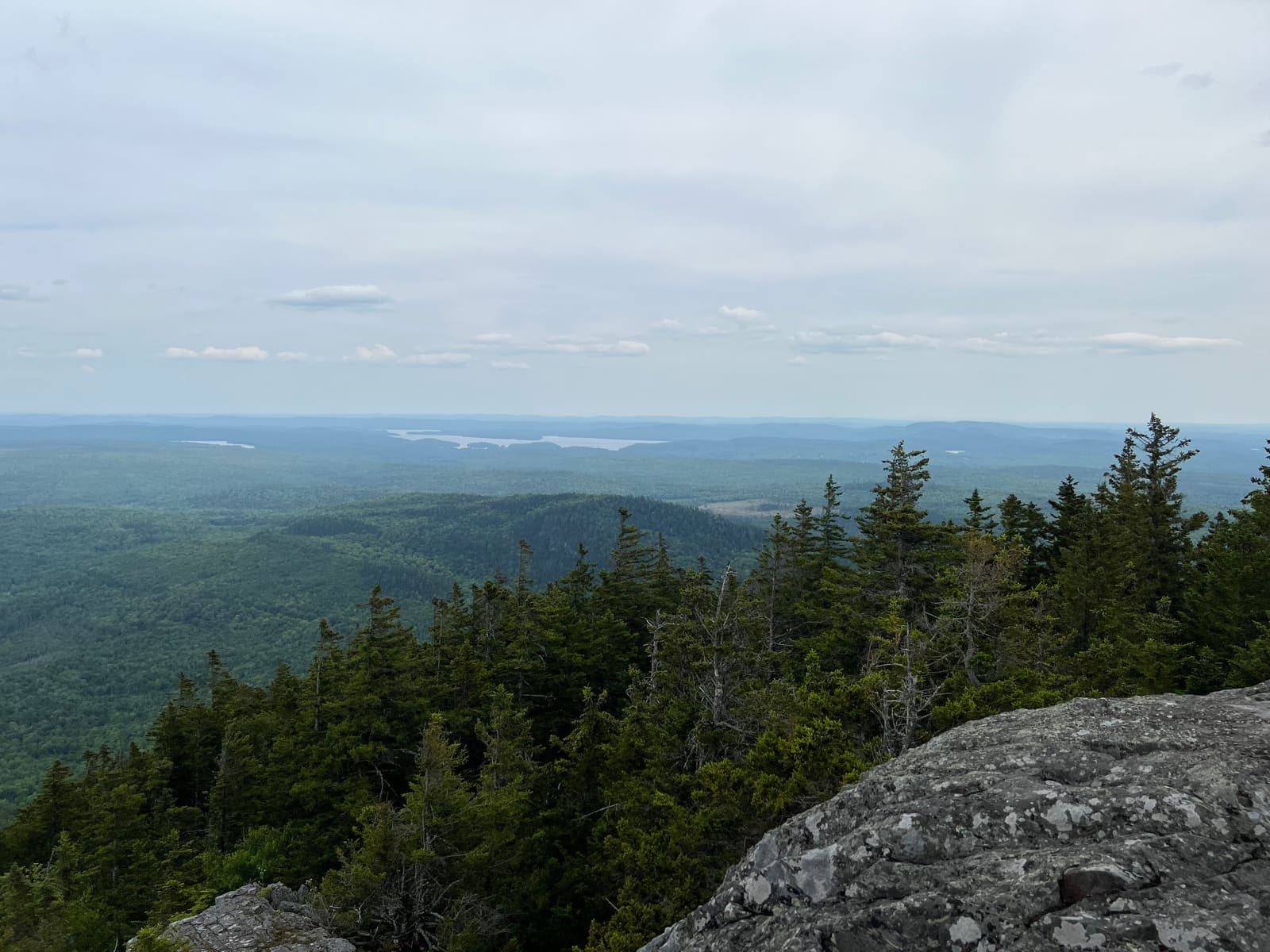
Yes, Alabama land leases well for hunting, and many landowners who have never leased are leaving money on the table. Deer, turkey and hogs keep hunter demand high across the state, and a private tract leased to one party is exactly what many hunters are looking for and struggle to find. As a rough estimate from our own research into asking prices, private hunting leases ask somewhere between $10 and $55 an acre a year, and tract size moves that most: small tracts ask more per acre, large ones less. Your number depends on your acreage, game, access, habitat and county, which is why we talk it through with you on a call before you set your price.
Want to see where your own land sits in that range? Get a free estimate for your land in about a minute, or call us at (804) 424-5233.
Why hunters want Alabama ground
Alabama is a hunting state in the full sense. Whitetail deer are the main draw, and a long tradition of deer camps means many hunters plan their year around finding a lease. Wild turkey bring a second wave of interest in the spring, so the same ground can attract hunters well outside deer season. Feral hogs are widespread in much of the state, and plenty of hunters actively look for land where they can hunt them.
What these hunters have in common is that they need somewhere to go. Most hunting ground in Alabama is privately owned, and much of the large-acreage access is tied up in long-standing club arrangements. A hunter who is new to an area, moving up from public land, or tired of a crowded club often has no easy way in. That gap is where a private landowner's tract earns its money.
What the per-acre ranges mean
The range above is an estimate from our own research into asking prices, not a quote, and the size of your tract narrows it most:
| Tract size |
Rough range (per acre, per year) |
Example: the whole lease |
| Under 50 acres |
$25 to $75 |
40 acres: about $1,000 to $3,000 |
| 50 to 99 acres |
$10 to $55 |
75 acres: about $500 to $4,500 |
| 100 to 249 acres |
$10 to $40 |
150 acres: about $1,500 to $6,000 |
| 250 to 499 acres |
$10 to $35 |
350 acres: about $3,500 to $12,500 |
| 500 acres and up |
$5 to $25 |
1,000 acres: about $5,000 to $25,000 |
A 300-acre tract, for example, works out to somewhere around $3,000 to $10,500 a year on these bands. Strong habitat, agriculture or food plots nearby, good roads and proven deer and turkey push a tract toward the top of its band. Usable woods with limited improvements, or poor access, sit toward the bottom. These are estimates only, and the right figure for your land is something we work out with you.
The fastest way past the guesswork is a free estimate. Enter your acreage, then book a call and we will talk it through.
The competition: timber and club leases
A lot of Alabama hunting happens on timber-company land leased to clubs. It is worth understanding how that model works, because it shapes what hunters are used to and why many of them want something different.
On commercial timberland, the land is a working forest first and a hunting property second. Leases usually run a year at a time, renewal is the company's call, and the rules come from a rulebook the hunters do not negotiate. Thinning, cutting and road work happen on the forestry calendar, not the hunting calendar. The tracts are often large, so the lease is held by a club that splits the cost among many members, and those members share the stands, the roads and the deer.
For a lot of hunters, that means paying every year for ground they share with a crowd, under rules they did not write, with no promise the stands they hung will still be theirs next season. A private tract leased to one party is a different product, and hunters will pay for it.
The other competition is the informal deal: a post in a classifieds section or a social-media group, a handshake, and payment sent by app to someone the hunter has never met. Hunting-lease scams that work this way are a real problem, and they have taught careful hunters to be wary of any lease without a real company, a real agreement and a real payment process behind it. That wariness works in your favor when your land is listed with us.
What makes Alabama ground lease well
Not every tract earns the top of its band. The properties that lease fastest and at the strongest price tend to share a few things:
- Game sign and history. If deer, turkey or hogs are using the property, say so. Trail-camera photos and a few seasons of harvest history make a listing far more convincing.
- Food and water. Agricultural edges, food plots, creeks, ponds and hardwood bottoms all hold game, and all help price.
- Cover and variety. A mix of mature timber, thicker cover and openings usually hunts better than one uniform block.
- Access. A gate, a road a truck can use, and a sensible place to park matter more than many landowners expect.
- Clear rules. Hunters like knowing up front what is allowed. Your rules about guests, vehicles, stands, harvest and camping become part of the agreement they sign.
- One party on the land. A seasonal lease to one party is the opposite of a crowded club, and that is a selling point we put front and center.
You do not need a perfect property. Plenty of basic and good ground gets leased. What matters is matching the land to the right hunter at the right price, and that is the conversation we have with you.
Not sure where your land falls in its band? Run the free estimate or call (804) 424-5233. We answer 9am to 10pm Eastern, seven days a week.
How leasing your Alabama land works with us
We built HuntingLeaseUSA so that landowners do not have to become property managers. You can read the overview on our lease your land page; here is the short version:
- We talk to you by phone. Every landowner talks with us before a property is listed. There is no account to set up and no dashboard to manage. We learn about your land, your game and the rules you want, and we work through pricing with you. You set the price.
- We build the listing. Your listing shows hunters what they need to decide, while the exact location, access details and your rules are released only to the member who books, inside their account, once you confirm the booking.
- A hunter books and pays by card. Payment goes through our checkout, not cash in an envelope and not an app transfer to a stranger.
- Every hunter signs before access. Each hunter signs an access agreement and liability waiver carrying your own rules before setting foot on the property.
- One party, one season. A seasonal lease goes to one party, so your land is not passed around a crowd.
Hunters booking through our site are paying members actively looking for a lease. And when you have a question, a real person answers the phone.
The next step
If you own hunting land in Alabama, the useful next move is to find out what it could bring in. Get your free estimate, book a call at a time that suits you, or call us now at (804) 424-5233, 9am to 10pm Eastern, seven days a week. We will go over your land, your rules and a realistic price, and if it is a fit, we will get it in front of hunters.