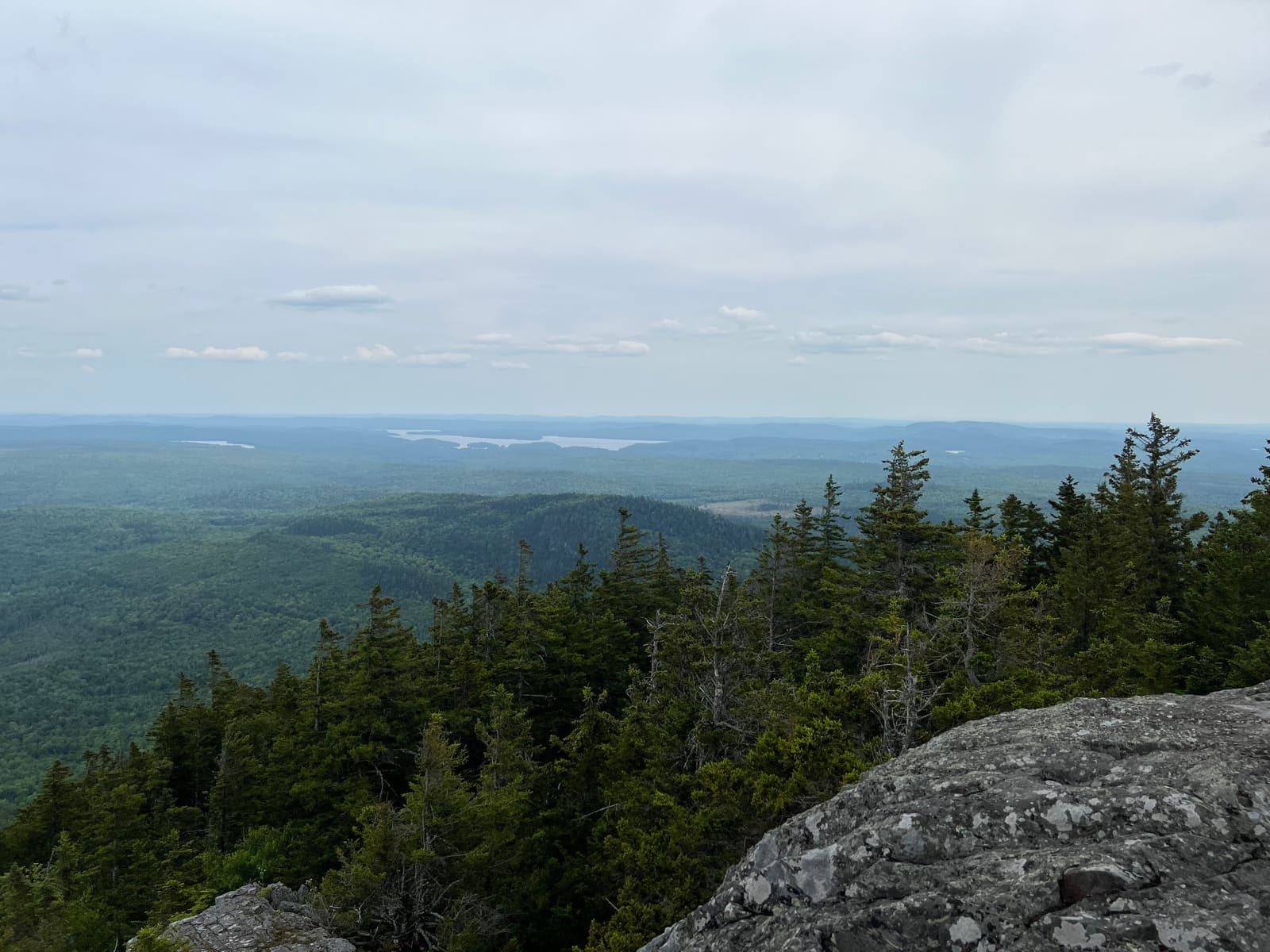
In Georgia, a timber company hunting lease usually means an annual lease on industrial or investment pine land, leased by the acre to a hunting club, on a tract big enough that the club needs a dozen or more members to cover the bill. Most of that ground sits south of the Fall Line, in the coastal plain pine belt, and most of it is spoken for by clubs that renew every year. If you are searching for one near you, that is the first thing to know: openings are scarce, and the land you do get is a working forest that happens to allow hunting.
There is another way onto good Georgia ground. Below: how the timber-and-club system works in this state, what it tends to cost, where it lets hunters down, and how a private lease booked through us compares.
Want ground this season without waiting on a club? Browse private hunting leases or see what's open in Georgia. One party per seasonal lease, booked and paid by card.
For the general picture of timber leasing across the South, read timber company hunting leases: cost and how to get one. This post is the Georgia version.
Where the timber land is in Georgia
Draw a line from Columbus through Macon to Augusta. That is roughly the Fall Line, and below it the state flattens into the coastal plain: planted loblolly and slash pine, cutovers, creek bottoms and hardwood drains running all the way to the Florida line and the coast. South Georgia and the southeast corner of the state hold the heaviest concentration of company and investment-fund timberland, with more scattered through the Piedmont to the north.
If you hunt anywhere in the pine belt, you have driven past it: gated logging roads, numbered tract signs, posted notices with a club name on them. A good share of the deer and turkey woods in those counties is owned by entities that grow trees for a living and lease the hunting rights on the side.
How the club system works here
Georgia timber leasing runs on clubs. Companies rarely lease a thousand-acre tract to one hunter, so a club leader signs the lease, collects dues from members, and answers to the company for everyone's behavior.
The annual cycle. Leases typically run a year, with renewals and dues commonly coming due in spring or summer, ahead of bow season in September. Clubs in good standing usually get first shot at renewal. A tract that comes open often gets picked up quickly, sometimes before it is ever widely advertised.
Membership is the real entry point. For most hunters, getting onto timber land in Georgia means getting into a club, not leasing a tract. That means finding a club with an opening, paying the dues the leader sets, and accepting the members, rules and stand-assignment system already in place.
The company's rules sit above the club's. Expect limits on what you can build, where you can drive, camping and fire rules, and requirements around insurance and signed releases. The club adds its own: quotas, guest policy, work days, sign-in boards.
The trees come first. Thinning, clear-cutting, site prep and prescribed burning run on the forest's schedule, not deer season's. A stand location that was perfect in November can be a cutover the next fall.
What it tends to cost
Prices vary by company, county, habitat and year, and there is no single published Georgia rate. As a rough estimate from our own research into asking prices, large corporate timber tracts in the South have generally run about $15 to $20 an acre for a full season, and hunting land of 500 acres and up usually asks somewhere between $5 and $25 an acre. Smaller tracts ask more per acre and less in total, and strong deer, turkey or waterfowl habitat with good access sits toward the top of any range.
Big pine tracts leased to clubs stay cheap per acre because the company is leasing volume. The catch is that per-acre is not what a member pays. A member pays a share of the whole tract plus whatever the club adds for food plots, gates, road work and insurance. A cheap rate per acre can still become a sizable annual check for land you share with a crowd.
Hunter? Compare that with a seasonal lease where your party is the only one on the ground. See Georgia listings and become a member to book.
Where the corporate and club model falls short
The system works well for the companies. For the individual hunter, the trade-offs are hard to ignore.
You are buying a share, not a lease. A thousand acres split fifteen ways is not a thousand acres of hunting. Every member has the same right to the same woods, so pressure on the best spots builds fast, especially in the opening weeks and over the rut.
You do not pick your neighbors. The club leader decides who gets in. You inherit their judgment, their guests and their habits with a gate combination.
Your work can walk away. Plots planted and stands hung on company land stay with the land. If the company sells the tract, changes its leasing program, or the club loses the renewal, that investment goes with it.
Timber work does not wait for deer season. A thinning crew or a fresh cutover can reshape a tract between one year and the next, and sometimes during the season itself.
Payments run through people, not systems. Dues usually go to the club leader by check or a payment app. Outside the clubs, hunters looking for Georgia leases through classified ads and social media groups run into worse: "leases" offered by people who do not control the land, payment demanded up front by app, and no paperwork at all. If the only proof a lease is real is a stranger's word and a payment request, walk away.
The private alternative: lease through HuntingLeaseUSA
Plenty of Georgia hunting ground is not owned by a timber company at all. Family farms, inherited timber and private tracts sit right alongside the company land, in the same counties, with the same deer and turkey. That is the land we list.
Here is how leasing through us is different:
- One party per seasonal lease. No club roster, no stand-assignment board.
- You book and pay by card through our checkout. No sending money to a stranger by payment app.
- Every hunter signs an access agreement and liability waiver carrying the landowner's own rules before setting foot on the land.
- We talk to every landowner by phone before a property is listed, and the landowner sets their own rules. Before each booking is confirmed we come back to them: it goes ahead only if they say yes.
- Exact location, access details and rules are released in your account once the landowner confirms your booking.
- Real people answer the phone when you have a question.
Browse Georgia hunting leases, see every listing, or join as a member so you're ready to book when the right tract opens. Questions? Call (804) 424-5233, 9am to 10pm Eastern, seven days a week.
Georgia landowners: you don't need a club
If you own pine land, a farm with timber on it, or hunting ground anywhere in Georgia, the default move is to lease it to a club and hope the club leader picks good people. You can do better than that.
Through us, a seasonal lease on your land goes to one party at a time, not a revolving cast of members and guests. Every hunter signs your rules before access. Hunters book and pay by card through our checkout. There is no account to set up and nothing to manage online: we onboard you by phone, and you set the price.
What's your land worth as a hunting lease? Get a free estimate in about a minute, then book a call and we'll talk through what moves the price on your ground before you set it. Or read how leasing your land works first.
Rather talk now? Call (804) 424-5233 and tell us your county, your acreage and what's on it.
This article is general information, not legal or insurance advice. Price figures are rough estimates; real value depends on game, access, habitat and the county.